Suzuki SV-7S: The SV650 Is Back, and It Never Really Left
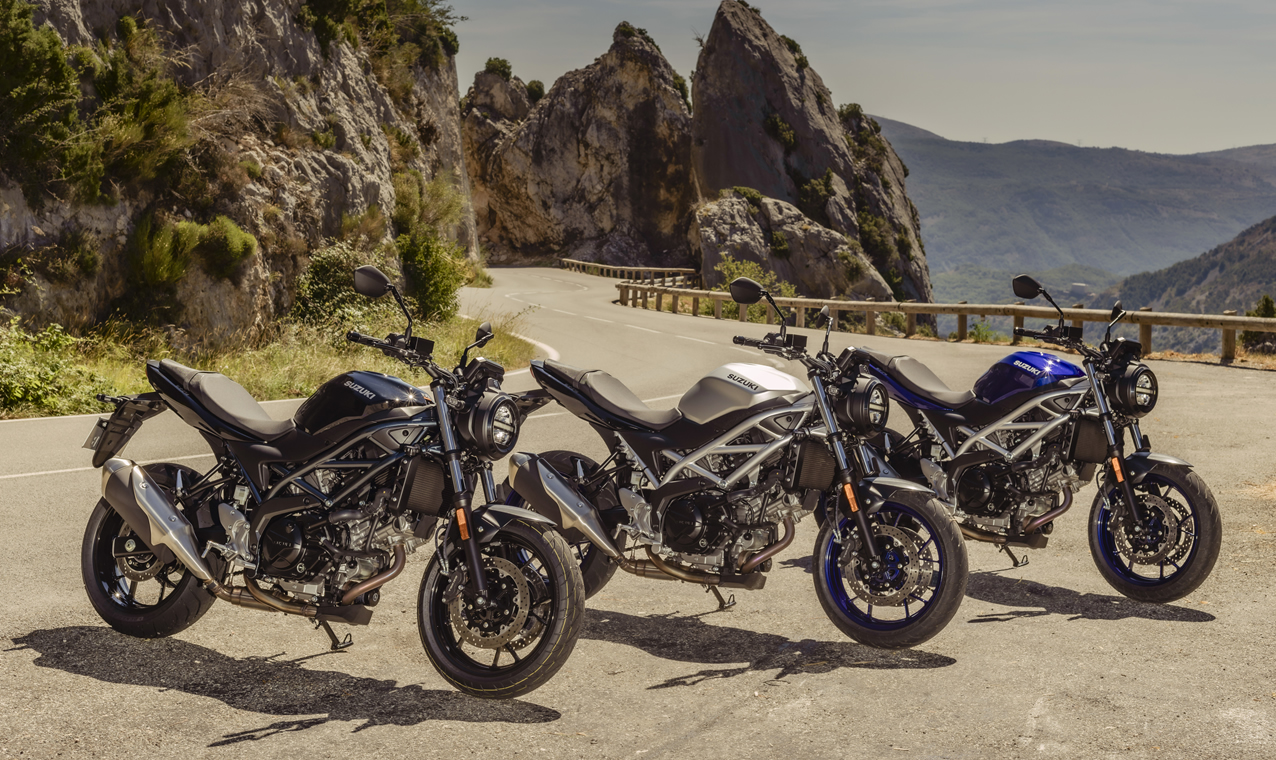
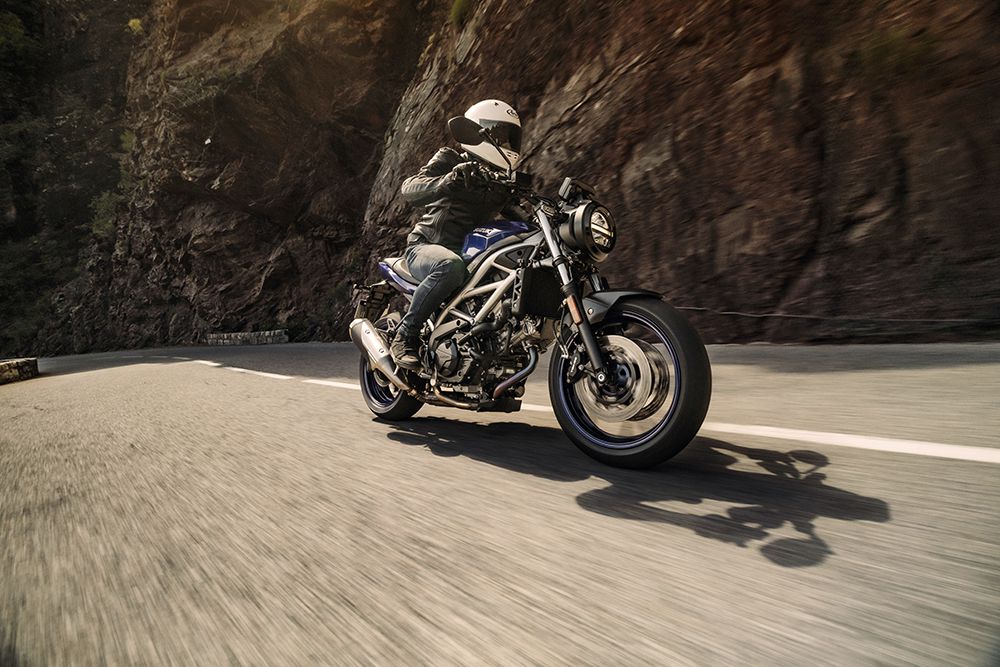
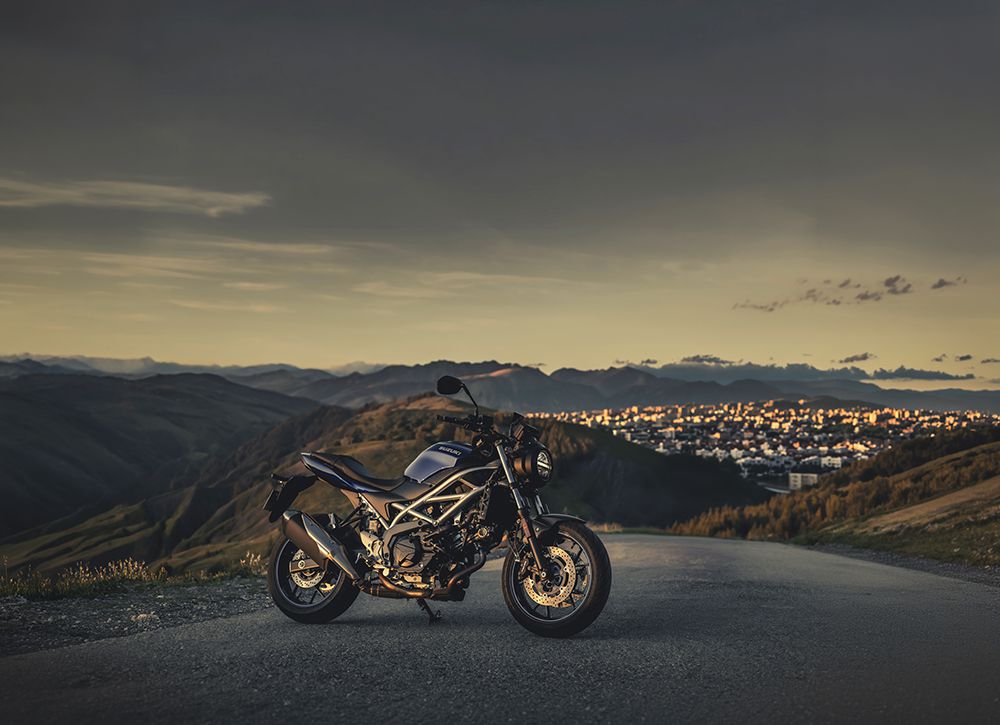
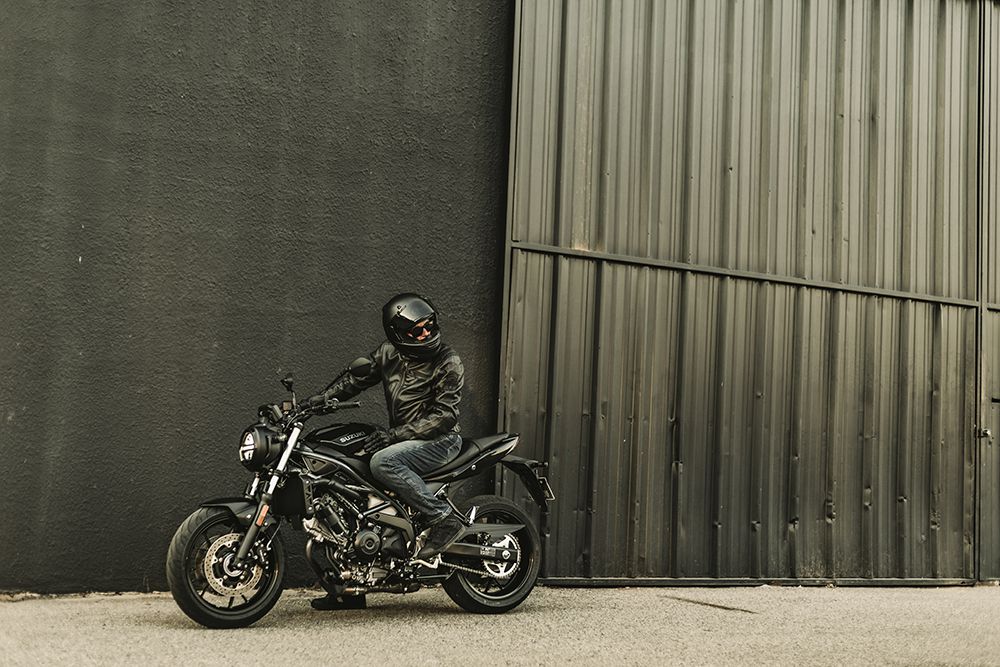
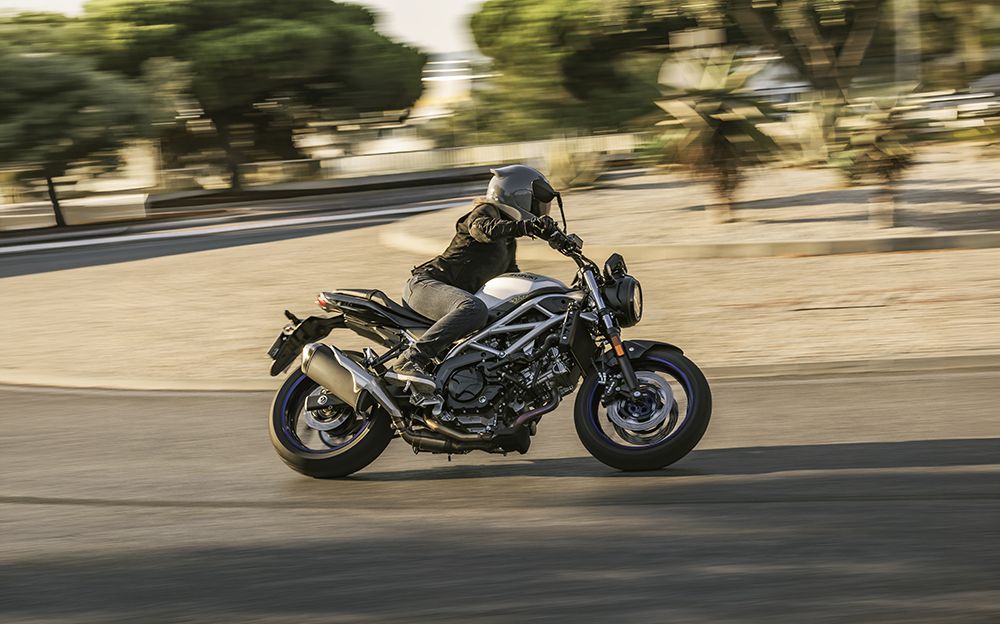
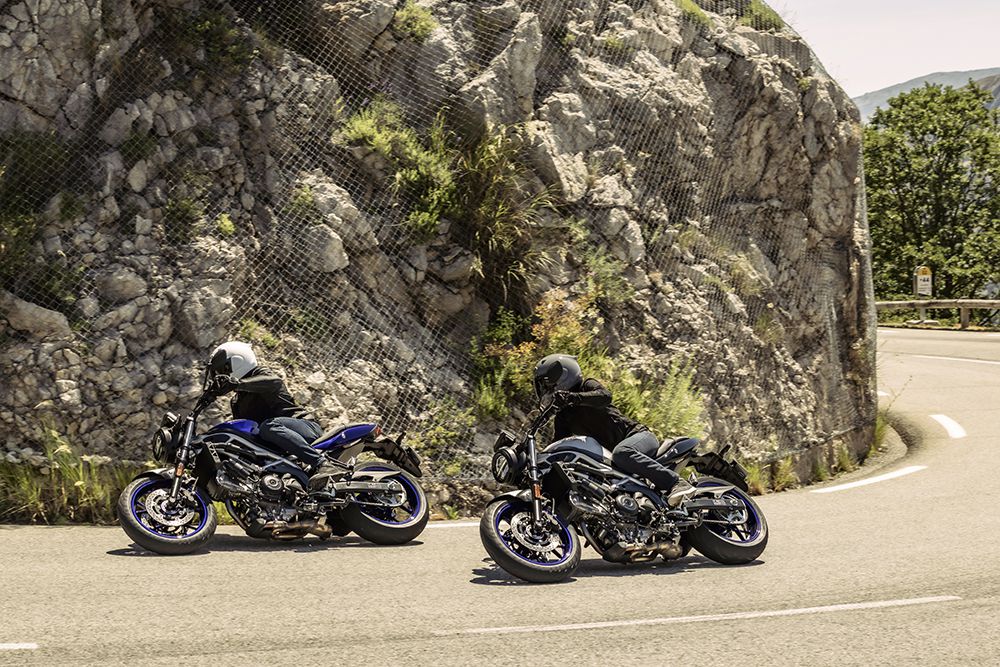
At EICMA 2026 in Milan, Suzuki unveiled the SV-7S, a roadster that carries on the concept created by the SV650.
For anyone who watched the SV650 get pushed aside for the SV-7GX sport tourer, the reveal reads like a reprieve. According to Japanese representatives at EICMA, there were actually no plans to remove the engine from the range altogether.
A Quick History of a Legend
Suzuki introduced the SV650 in 1999 as a budget entry in the emerging middleweight V-twin class. It wasn’t flashy, but it was light, forgiving and fun, and it became a favourite for new riders, commuters, track-day regulars and club racers alike. The SV650S, with its half-fairing, gave it a sportier face.
The road wasn’t smooth. In 2009, Suzuki replaced the standard SV650 with the SFV650 Gladius in many markets. Riders missed the original, and at EICMA 2015, Suzuki announced the SV650 would return for the 2017 model year. More recently, the SV650 was sidelined in favour of the SV-7GX. In Malaysia, the outgoing SV650 returned in April 2025 as a Final Edition at RM29,900, limited to 600 units locally. The SV-7S is the third time this bike has come back from the brink.
SV650 vs SV-7S: What Has Changed?
| SV650 (outgoing) | SV-7S | |
|---|---|---|
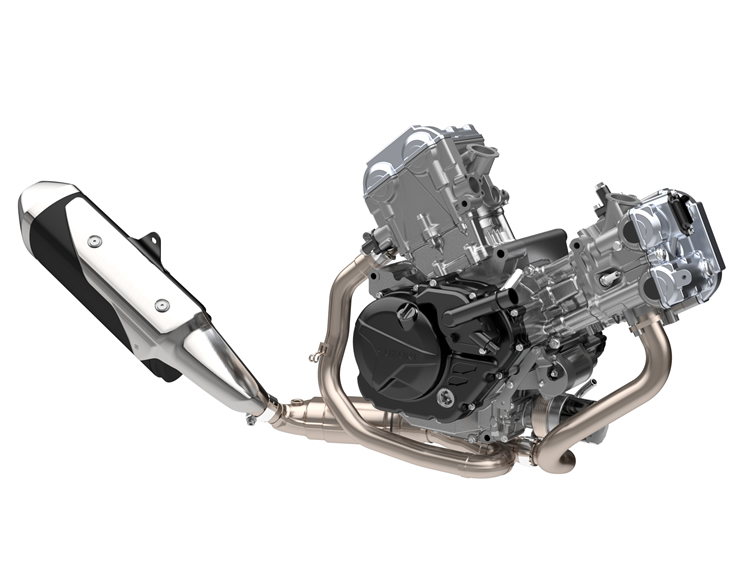
| Engine | 645 cc, 90° V-twin | 645 cc, 90° V-twin (revised internals, new airbox) |
| Power / torque | 73 PS / 64 Nm | 72 bhp at 8,500 rpm / 63 Nm at 6,800 rpm |
| Throttle | Cable | Electronic throttle body |
| Emissions | Euro 5 | Euro 5+, with a 2-into-1 exhaust |
| Electronics | Traction control, Low RPM Assist | S.I.R.S. package: ride-by-wire, three engine maps, three-level traction control, bi-directional quickshifter |
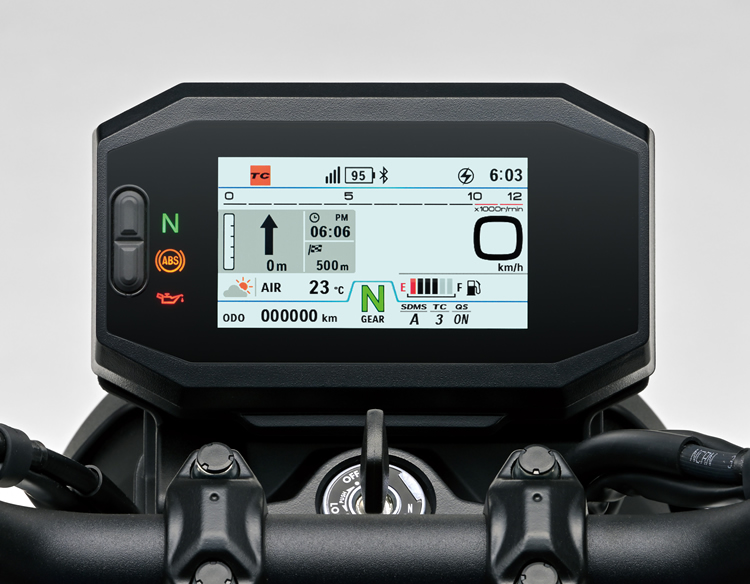
| Display | Basic LCD | 4.2-inch colour TFT with Suzuki Ride Connect+ |
| Brakes | Twin disc, ABS | Twin 290 mm front discs, four-piston calipers, two-channel ABS |
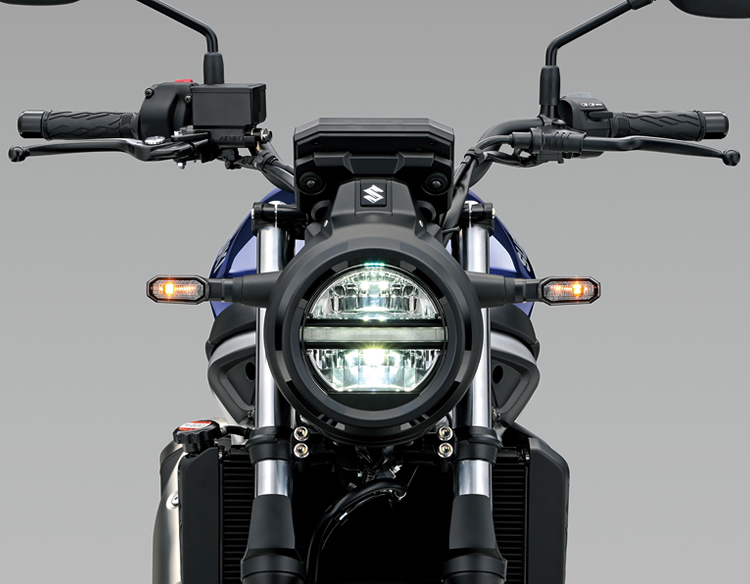
| Styling | Rounded, neutral naked | Retro naked look with round LED headlight and exposed trellis frame |
The headline is that this is an evolution, not a revolution. The tubular steel frame, steel swingarm, telescopic fork and large parts of the design are carried over virtually unchanged from the classic model, as is the V-twin engine. The power figures are essentially the same, and the bike weighs 200 kg. The real changes are the electronics, the emissions hardware and the styling.
Pros
- The engine is the star. The V-twin has powered the SV650 since 1999. It’s proven, tractable and has real character, and a long track record counts for a lot in this class.
- A smarter electronics package. Riding modes now include A (Active, the sharpest response), B (Basic, closest to the old SV650 feel) and C (Comfort), which softens the throttle and limits power to a maximum of 60 hp. That makes it friendlier for newer riders.
- Easier to ride. A bi-directional quickshifter and low-RPM assist reduce the effort of everyday riding.
- Modern connectivity. TFT display and smartphone integration finally bring the SV up to class standard.
- The styling suits it. The round headlight and exposed trellis frame lean into the roadster heritage instead of fighting it.
Cons
- It’s familiar, almost to a fault. Frame, swingarm and fork are largely unchanged, and power is basically identical. Anyone expecting a ground-up redesign will be disappointed.
- Rivals are moving ahead. Competitors in the middleweight class offer more power, more technology or more modern chassis hardware.
- Basic suspension. The spec sheet shows a 41 mm telescopic fork with 125 mm of travel and a preload-adjustable rear monoshock. That is sensible and affordable, but not premium.
- Pricing is still unknown. The bike’s value will depend heavily on what Suzuki charges, and no price or Malaysian launch details have been announced yet.
Will a New Generation Be Cynical?
Probably some of them, and fairly so. Riders who grew up with TFT dashboards, IMUs and aggressive spec sheets may see a 72 hp twin on an old-school chassis as a re-run. The scepticism is understandable, especially when Suzuki’s own earlier decision to sideline the SV650 looked like a retreat.
But there is a good counter-argument. The SV650’s appeal has never been about spec-sheet bragging rights. It’s about accessibility: a manageable seat height, a forgiving powerband and a reputation for reliability that makes it a sensible first big bike or a long-term keeper. For a rider who wants to enjoy a bike rather than win a comparison test, those strengths still matter. The new electronics also help close the gap with younger buyers’ expectations.
What It Means for Suzuki’s Big Bikes
The SV-7S is more than a nostalgia project. The SV-7GX already hinted at this in 2025, and with the SV-7S Suzuki is confirming that the mid-range V2 has not had its day, with more models said to follow. That suggests Suzuki is building a family around the V-twin platform rather than letting it fade.
The bigger question is whether Suzuki can pair that heritage with genuinely fresh product in the larger-capacity segments, where competition is fierce. A bike like the SV-7S shows the brand still values rider-friendly, affordable machines. If it can balance that with new developments higher up the range, the future looks more promising than it did a year ago.