
Engine & Blueprints
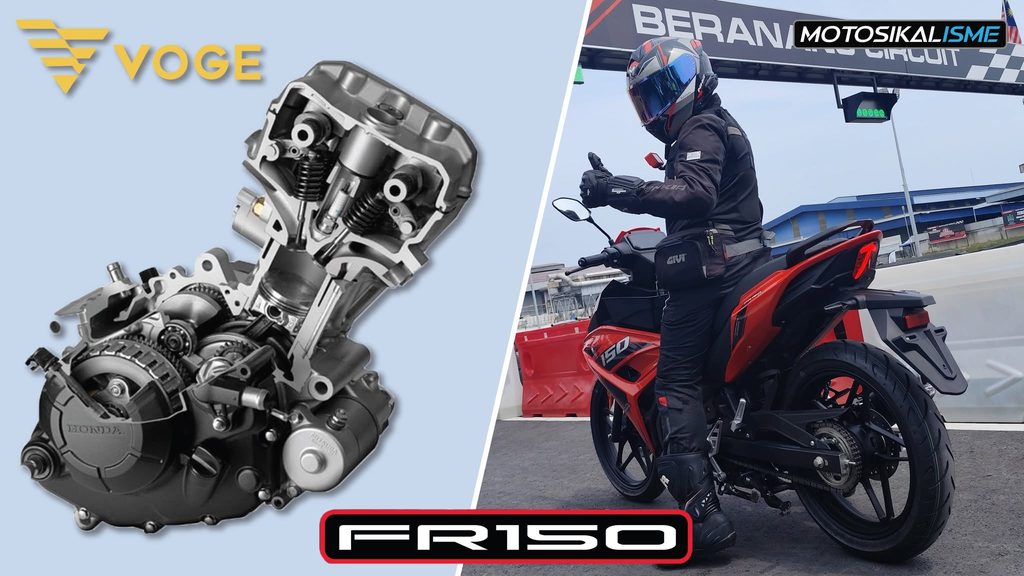
Using an existing engine blueprint or design architecture as the foundation for developing a new motorcycle is common practice in the automotive industry. In fact, technology and design sharing based on engines from larger-capacity motorcycles is also not unusual.
History has shown that many motorcycles from different manufacturers have adopted the underlying engine architecture of successful and proven models, subsequently developing it into a new engine for another brand or application.
Technology transfer can also be seen in well-known models such as the Aprilia RS250, which used a Suzuki-derived engine. However, the engine was not necessarily an exact 100% reproduction of the original Suzuki unit. Various modifications and improvements were made to adapt the engine to Aprilia’s requirements and to distinguish it from the original design.
This should not automatically be viewed as plagiarism, imitation, or simply “copying”, particularly when the technology transfer and use of the underlying design are carried out with the permission or licensing of the original technology owner.
Technology sharing can also provide an opportunity to further develop an existing design. Through engineering modifications and refinement, a new engine can potentially improve upon the original architecture, address known weaknesses, and deliver better performance or reliability.
In the motorcycle industry, therefore, the use of proven technology as a foundation does not necessarily mean creating an exact copy. It can instead represent a legitimate form of technology transfer, engineering development and collaborative innovation.